


Just before of Onam, one 45-year-old female resident was trembling in an ambulance compartment, drifting into unconsciousness as her family transported her to a medical college hospital.
Only a few days before, the patient, who earned her living bottling beverages in a rural area near Malappuram, had experienced nothing more serious than dizziness and hypertension. Medical professionals recommended drugs and sent her home. But her health spiraled with terrifying speed: discomfort turned into high temperature, high temperature to violent shivers, and on 5 September, she passed away.
The culprit was Naegleria fowleri – often called the brain-destroying organism – a condition typically acquired through the nose in natural water sources and extremely uncommon that most doctors hardly come across a instance in their lifelong practice.
Across the region recently, above 70 patients tested positive and 19 succumbed from the infection. Individuals spanned from a three-month-old to an elderly person.
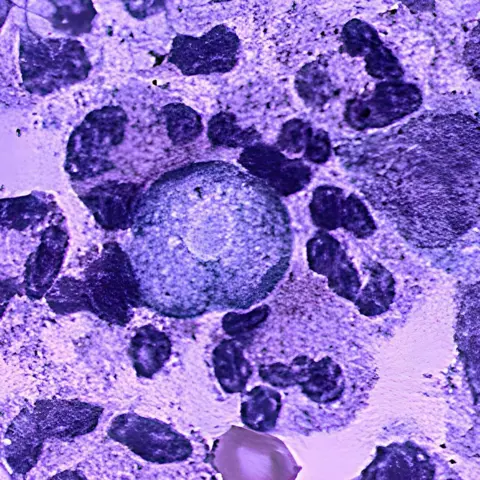
Typically eating bacteria in non-chlorinated water, this amoeba leads to a life-threatening neurological disease, referred to as primary amoebic meningoencephalitis (PAM). It invades through the nose while in water and rapidly damages neural matter.
The state started identifying infections in the past decade, just one or two a annually, and until recently nearly all were lethal. A latest study has indicated that just 488 cases have been recorded globally since the mid-20th century – primarily in the US, Pakistan and Australia. And 95% of the victims have died from the infection.
However locally, recovery is enhancing: recently there were 39 cases with a nearly one-quarter death rate, and currently, about 70 cases have been reported with approximately a similar death rate. Doctors say the rise in cases points to improved diagnosis, because of modern facilities.
"Infections are growing but fatalities are falling. Proactive diagnosis and early diagnosis have improved recovery rates – a method specific to Kerala," commented a senior infectious diseases specialist.
Prompt diagnosis allows personalized care: a drug cocktail of antimicrobials and anti-inflammatories fighting the organism can save lives.
Scientists have discovered around 400 types of naturally occurring amoebas, but merely a few are identified as infect humans in humans – including Naegleria fowleri and Acanthamoeba, both of which can infect the central nervous system. In Kerala, medical facilities can now diagnose the five key infectious strains, experts confirm.

Kerala's heavy reliance on well water and natural water bodies renders it especially at risk, particularly since a lot of reservoirs are unsafe. A group of infections recently, for instance, was linked to people vaping an mixture diluted in untreated water – a dangerous habit that underscores how unsafe water can act as a vehicle for disease.
The state has almost 5.5 million water wells and tens of thousands of lakes – and millions draw their everyday supply from these sources alone. That sheer ubiquity renders it unfeasible to treat water sources as mere "risk factors" – they are the lifeblood of daily existence in the region.
"Some infections have occurred in people immersing in ponds, others from swimming pools, and also through nasal rinsing with non-sterile water which is a custom," says a leading public health expert.
Thus health officials have attempted to implement wide measures: in a targeted drive at the recently, 2.7 million wells were chlorinated.

Authorities have put up sign boards near ponds prohibiting bathing or swimming and evoked the Public Health Act to mandate frequent treatment of recreational water and reservoirs. But notwithstanding such actions, ponds cannot practically be chlorinated – aquatic life would be harmed – and policing each local well in a state of over a large population people is not feasible.
Experts now stress public information rather than bans: households are urged to maintain tanks and pools, use safe warm water for personal hygiene, prevent kids from using garden sprinklers and refrain from unsafe water sources. Bathers are instructed to shield their nasal passages by avoiding submersion, using equipment and preventing agitating debris in stagnant or untreated freshwater.
Yet, finding equilibrium between alerting the people about actual dangers – of using untreated freshwater – and avoiding panic that could affect normal living is difficult. Many {
